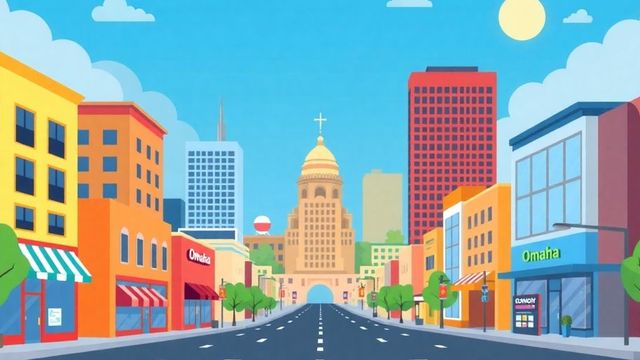
Do you run an online store in Omaha? Your site decides whether visitors stay and buy. This guide covers the e-commerce Omaha site design trends that matter most: simple design, local touches, phone-friendly pages, speed, security and search.
Key Takeaways
- Easy-to-use design keeps customers happy.
- Local touches make a site feel familiar to Omaha shoppers.
- Phone-friendly pages matter because many people shop on phones.
- Simple, clean layouts help customers find what they need.
- Pictures and video can tell your brand story.
Understanding the Importance of User-Centric Design
Why User Experience Matters
When you run an online store, the shopper experience matters. If visitors cannot find what they need fast, they leave. A good experience brings customers back. Here is why:
- First impressions: A clean site makes a good first impression.
- Easy menus: Shoppers should find items without getting lost.
- More sales: Happy shoppers buy more often.
Key Elements of User-Centric Design
To build a site that is easy to use, focus on these things:
- Clear layout: Everything is easy to find.
- Responsive design: The site looks good on every device.
- Fast loading: No one likes to wait for a page.
How Omaha Businesses Benefit
Omaha shops can stand out by putting customers first. This helps you:
- Build trust with your audience.
- Bring shoppers back.
- Stand out in the local market.
Ask five customers to buy something on your site. Watch where they get stuck, then fix it.
Incorporating Local Culture into Web Design
Reflecting Omaha’s Unique Identity
Show what makes Omaha special. Use local symbols, colors and themes so visitors feel at home. Good Omaha web design starts with a local look.
Designing for Local Audiences
To appeal to local shoppers, consider:
- Use familiar landmarks in your photos.
- Show local events and culture.
- Use local words where they fit.
Ideas for Local Integration
Here are ideas that fit a local store:
- A restaurant can show Omaha’s famous dishes on its site.
- A shop can use photos of the Old Market area.
- A service can promote local festivals and events on its homepage.
Mobile-First Design Strategies
The Rise of Mobile Commerce
More people shop on their phones every year, so mobile design comes first. Omaha businesses need pages that work on a small screen.
Designing for Mobile Users
Mobile design should be easy to use. Keep these points in mind:
- Simple menus: Shoppers find items fast.
- Fast loading: Small screens need light pages.
- Responsive design: The site adapts to every screen.
Benefits for Omaha Businesses
A mobile-first approach helps Omaha businesses:
- Reach more customers who prefer shopping on their phones.
- Improve user experience, leading to higher sales.
- Stay competitive in a fast-changing market.
Design for the phone first, then scale up to the desktop. Test each page on your own phone.
Utilizing Minimalist Design for Maximum Impact
Principles of Minimalist Design
Minimalist site design keeps things simple. It removes what distracts shoppers. Start with one goal per page, such as buy now or call us. Here are the key ideas:
- Less is more: Fewer items on a page make choices easier.
- Function first: Each design choice should have a purpose.
- Clean layouts: A tidy page does not overwhelm shoppers.
Creating Clean and Effective Layouts
For clean, effective layouts in your Omaha web design, follow these steps:
- Use plenty of white space to give elements room to breathe.
- Choose a limited color palette to create a cohesive look.
- Use simple fonts that are easy to read.
What Minimalist Design Looks Like
A clean layout lets shoppers see products without clutter. A coffee shop site, for example, can show its menu first and put everything else below. Good site design removes clutter like this.
Websnoogie builds clean sites like this. A new website is $300 for up to 10 pages, ready in 3 to 5 days. See our web design page.
Leveraging the Power of Visual Storytelling

Engaging Users Through Storytelling
Pictures and video help you tell your brand story. People remember a story longer than a list of features. Use that in your website design.
Visual Elements That Capture Attention
To make your story stand out, use:
- Vibrant images that draw the eye
- Short videos that explain our message quickly
- Infographics that present information clearly
These elements keep visitors engaged. Plan them into your site design from the start.
Ways to Tell Your Story
To tell your story, show your products in use, post short videos about your team and share photos of your process on social media. Keep each photo bright and each caption short. Plan each shot for your Omaha web design pages.
Tell your story on your site and on social media. Keep photos bright and text short.
The Role of SEO in E-Commerce Web Design
Optimizing for Search Engines
E-commerce design must include SEO, which stands for search engine optimization. It makes your store easier to find on Google. Here are key points:
- Use relevant keywords in product descriptions.
- Optimize images with alt text.
- Ensure the website is mobile-friendly.
Integrating SEO with Design
Plan SEO and design together. A beautiful site does not help if it never shows up in search. Here is how to blend the two:
- Create a clean URL structure.
- Use header tags properly.
- Make sure our site loads quickly.
 Web designPlanning and building the pages of a website: layout, colors, text, photos and how it works on phones. Websnoogie builds custom WordPress and HTML sites. See web design and SEO Together
Local stores should work on design and SEO together. Start with clear product titles and clean pages. Good Omaha site design makes both easier.
Good design plus smart SEO makes a store that customers can find and use.
In short, SEO should be part of every e-commerce design. Our SEO plan is $190 a month.
Enhancing User Engagement with Interactive Elements

Types of Interactive Elements
Visitors like sites they can click, tap and play with, and they stay longer on pages that respond to them. Interactive elements make your website design more engaging. Here are some popular types:
- Quizzes and polls: Fun ways to learn what visitors like.
- Live chat: Visitors ask questions and get quick answers.
- Interactive infographics: Present facts in a way that invites visitors to explore.
Benefits of Interactivity
Interactive features can boost engagement. Here are the benefits:
- More time on site: Visitors stay longer when they can interact.
- More sales: Engaged visitors are more likely to buy or sign up for a newsletter.
- A better experience: Browsing feels more enjoyable.
Interactive Features That Work
Interactive features that work well for stores include:
- Restaurants: Online menus that let customers customize an order.
- Retail stores: Virtual try-on for clothing.
- Service providers: Online booking that simplifies scheduling.
Interactive elements turn a site into an experience. Add them to your Omaha web design plan to keep visitors engaged.
The Impact of Fast Loading Times on User Retention

Why Speed Matters
Nobody likes waiting. If a site loads slowly, visitors leave and look elsewhere. Fast loading keeps shoppers engaged.
Techniques to Improve Loading Times
To speed up your pages, use these techniques:
- Optimize images: Make sure images are not too large.
- Minimize code: Remove unnecessary code to speed things up.
- Use caching: This helps store some data so it doesn’t have to load every time.
How Speed Affects Sales
Faster pages keep more shoppers from leaving. Test your speed with Google PageSpeed Insights, which is free.
Our hosting helps keep pages fast. Every plan has 99.999% uptime and free SSL. A good website design needs a fast host. Compress each photo before you upload it.
Building Trust with Secure E-Commerce Platforms
Importance of Security in Web Design
Security is a top worry for online shoppers. Customers want to feel safe when they share personal data. A site design that looks secure and is secure earns trust. Use strong passwords and two-step login for your store admin. Our hosting includes daily backups.
Features of Secure E-Commerce Sites
To make your store secure, include:
- SSL certificate: It scrambles data between the shopper and your site.
- Safe payments: Use trusted payment tools to protect card data.
- Updates: Keep your software current so hackers cannot use old holes.
Habits That Build Trust
These website design habits build trust:
- Show security cues: Use a padlock (SSL) on every page.
- Teach customers: Tell them how you protect their data.
- Update often: Keep your software current.
Adapting to Changing Consumer Preferences
Understanding Consumer Trends
Shopper habits keep changing. Listen to your customers to see what they want. Here are some trends to watch:
- Increased demand for personalized experiences
- Growing importance of sustainability
- Shift towards online shopping
Designing for Flexibility
To keep up, design your site to be flexible. That means:
- Making it easy to update content
- Allowing for quick changes in product offerings
- Ensuring our sites work well on all devices
Web designPlanning and building the pages of a website: layout, colors, text, photos and how it works on phones. Websnoogie builds custom WordPress and HTML sites. See web design and Shopper Needs
Check your site on a phone every month and fix any slow page. Omaha businesses can adapt by focusing on what shoppers need. We offer affordable web design and hosting that fit these changes. Flexible Omaha site design makes updates easy.
The Future of E-Commerce Web Design in Omaha

E-commerce web design in Omaha keeps changing. These trends may shape the next few years:
Emerging Trends to Watch
- Personal touches: Show each shopper products that fit their tastes.
- Voice search: More people ask their phones for help, so write the way people talk.
- Augmented reality: Shoppers can see a product in their own room before they buy.
Preparing for the Future
To prepare for these changes:
- Invest in website design that is flexible and easy to change.
- Keep up with new technology.
- Focus on the shopper experience so customers return.
Opportunities for Omaha Businesses
Omaha businesses can lead in e-commerce by:
- Using local culture in their designs.
- Choosing hosting that offers speed and security.
- Engaging customers through social media and interactive content.
Wrapping Up
Keep up with e-commerce trends to keep your Omaha store growing. Focus on easy design, phone-friendly pages and clear visuals. Better pages help visitors stay longer and buy more.
Call us at 402-813-4034 any day from 7 am to 10 pm to talk about your Omaha web design.
Frequently Asked Questions
What is user-centric design and why is it important for e-commerce?
User-centric design focuses on creating websites that are easy and enjoyable for people to use. It’s important because a good experience can make customers stay longer and buy more.
How can Omaha businesses reflect local culture in their web design?
Omaha businesses can show local culture by using colors, images, and themes that represent the city. This helps connect with local customers.
What does mobile-first design mean?
Mobile-first design means creating websites that work well on phones before designing for computers. This is important because many people shop on their phones.
What is minimalist design and how does it help e-commerce sites?
Minimalist website design is about keeping things simple and clean. It helps e-commerce sites by making it easier for customers to find what they want without distractions.
How can storytelling be used in web design?
Storytelling in web design means telling a brand story with pictures and words. It grabs attention and keeps visitors interested.
Why is SEO important for e-commerce websites?
SEO, or search engine optimization, helps websites show up in search results. This is important because it can bring more visitors to a business’s online store.
What are interactive elements and how do they engage users?
Interactive elements are features like quizzes or polls that visitors can click on. They make the experience more fun and interesting.
Why do fast loading times matter for online stores?
Fast loading times are important because if a website takes too long to load, users might leave. Quick sites keep customers happy and coming back.