Zero upfront cost and no hidden fees. Sell websites and hosting under your own business name or under ours, and we build, host and support every site. You find the customers and we do the rest. We pay fast, usually within 72 hours. Call us any day from 7 am to 10 pm, or see how it works.
A new website is exciting, but can people find it? That is where SEO comes in. SEO helps your site show up in search results when people look for topics you cover. It can sound tricky, but you can learn SEO step by step. This guide walks you through it.
SEO helps your website get noticed by search engines and users.
Picking the right keywords is the foundation of good SEO.
Your website’s speed and mobile-friendliness play a big role in rankings.
High-quality content is key for keeping visitors and search engines happy.
Tracking your progress with analytics tools helps refine your strategy.
Understanding the Basics of SEO
What Is SEO and Why It Matters
SEO stands for Search Engine Optimization. It makes your website easier to find on search engines like Google. Picture your website as a book in a huge library. Without an index, no one finds it. SEO tells search engines you are here and what you offer. It is not only about ranking high. It is about bringing the right people to your site: those who want what you offer.
How Search Engines Work
Search engines crawl websites, index their content, and rank it by relevance and quality. Here is a quick overview:
Crawling: Search engines send out bots (called crawlers) to scan your website.
Indexing: They store the information they find in a massive database. Learn more about our search engine optimization on our services page.
Ranking: When someone searches for something, the engine pulls up the most relevant results from its index.
Pro tip: Regular SEO audits can help you catch issues like broken links or slow-loading pages that might hurt your rankings.
Key Components of SEO
Every website needs a few key pieces:
On-Page SEO: This includes optimizing your titles, meta descriptions, and using keywords naturally within your content.
Off-Page SEO: Building backlinks and increasing your site’s authority.
Technical SEO: Ensuring your site is fast, mobile-friendly, and easy for search engines to crawl.
These pieces are the base of your SEO strategy. Get them right and you start strong. Search engine optimization is an ongoing process that keeps your site fresh and competitive.
Choosing the Right Keywords for Your Website
How to Conduct Keyword Research
Start with keywords. Keywords connect what people search for with what your site offers. To get started:
Brainstorm: Write down words or phrases you think people might use to find your business.
Use Tools: Tools like keyword planners or other online platforms can help you uncover search terms you might’ve missed.
Analyze Search Intent: Are people looking to buy, learn, or just browse? Match your keywords to their purpose.
Good keyword research plans find terms that bring traffic and match what your audience needs. We can talk about local SEO for your business.
Pro Tip: Start with a mix of specific long-tail keywords and broader terms to cover all your bases.
Tools to Help You Find Keywords
You do not need to guess. Plenty of tools can help. Here is a quick look:
Tool Type
What It Does
Keyword Planners
Suggests popular search terms
Rival Analysis
Shows what keywords others are using
Search Volume Data
Tells you how often terms are searched
These tools help you narrow your options. Look for keywords that fit your niche and have decent search volume without being too competitive.
Using Keywords Well in Content
Now put your keywords to work, without overdoing it:
Place Keywords Strategically: Use them in your page titles, headings, and meta descriptions. We explain our local SEO work in plain words, with the price up front.
Write Naturally: Don’t force keywords where they don’t belong—it’ll sound awkward.
Mix It Up: Use variations of your keywords to keep things fresh and engaging.
Make your SEO keywords flow naturally into your content. If you target terms with high keyword difficulty, support them with solid content and backlinks. Stay strategic and your content can rank and connect with your audience.
Optimizing Your Website for Search Engines
Improving Page Load Speed
Slow sites lose visitors, and search engines rank them lower. To speed things up:
Compress images before uploading them.
Minimize HTTP requests by combining CSS and JavaScript files.
Enable browser caching to reduce load times for repeat visitors.
If you host with Websnoogie, our web hosting services include free SSL, daily backups, security monitoring, and 99.999% uptime.
Creating Mobile-Friendly Designs
More people browse on phones than desktops, so mobile-friendly design is a must. Use responsive web design so your site works on all devices. Test your mobile-friendliness regularly, and also:
Use larger, easy-to-read fonts.
Avoid pop-ups that are hard to close on small screens.
Optimize videos and images for mobile viewing.
Structuring Your Website for SEO
A well-organized site helps search engines find and rank your pages. Here is how:
Use a clean URL structure with descriptive keywords.
Create a sitemap to make it easier for search engines to navigate. Local SEO work covers your Google listing, your page text, and the places that list your business.
Implement schema markup to provide additional context for your content.
“A clear site structure makes it easier for search engines to understand your site.”
Creating High-Quality Content That Ranks
Writing for Your Audience and Search Engines
Write content that your audience finds useful and that search engines can understand. Start with what your readers want: the problems they need solved or the questions they have. Craft your content around those needs. Use relevant keywords naturally, and do not overdo it. Keyword stuffing hurts you. Keep your tone conversational and always give value. Our search engine optimization plan costs $190 a month.
The Role of Blog Posts and Articles
Blog posts and articles let you target specific keywords, share insights, and build authority in your niche. A well-written post helps your SEO. Write long-form content that fully covers a topic. Use headings, bullet points, and short paragraphs. Update older posts to keep them relevant, which can boost your rankings.
Using Multimedia to Enhance Content
Images, videos, and infographics make your content more engaging. Multimedia keeps visitors on your site longer, which search engines notice. A short video can explain a complex topic well. Optimize it: compress images and tag videos properly so your page loads fast. Fast pages also help your local SEO, because Google counts speed in its rankings.
Building Backlinks to Boost Your SEO
What Are Backlinks and Why They Matter
Backlinks are links from other websites to yours. They act as endorsements. When another site links to you, it tells search engines your content is useful. The more quality backlinks you have, the more credible your site looks to Google. That can lead to better rankings and more organic traffic. Links from high-authority, relevant websites carry more weight than random ones, so quality matters more than quantity. Search engine optimization takes time, and new backlinks can take months to show results.
How to Earn Quality Backlinks
You can earn backlinks with these methods:
Create Shareable Content: Publish blog posts, infographics, or guides that people want to share and link to. The better your content, the more likely others will reference it.
Network Locally: Collaborate with local businesses or attend events in Omaha. This can lead to opportunities for backlinks through partnerships or mentions on event sites. For example, Omaha entrepreneurs can gain local backlinks by engaging with their community.
Guest Blogging: Write guest posts for reputable websites in your niche. It’s a win-win—you get exposure, and they get great content.
Ask for Links: Don’t hesitate to reach out to organizations or businesses you already work with. A simple request can often result in a backlink.
Fix Broken Links: Find broken links on other websites and suggest your content as a replacement.
Avoiding Black Hat SEO Practices
While building backlinks for new sites, steer clear of shady tactics like buying links or using link farms. These practices might give you a short-term boost but can lead to penalties or even getting removed from search results. Stick to ethical methods and focus on building genuine relationships. If you are not sure where to begin, local SEO is a good first project.
Building backlinks takes time. A steady stream of quality links tells search engines your site is trustworthy and relevant.
Avoiding common SEO mistakes like poor backlink practices matters as much as earning good links. Aim for natural, high-quality links that add value to your site and its visitors.
Tracking and Tracking Your SEO Success
Using Analytics Tools to Monitor Performance
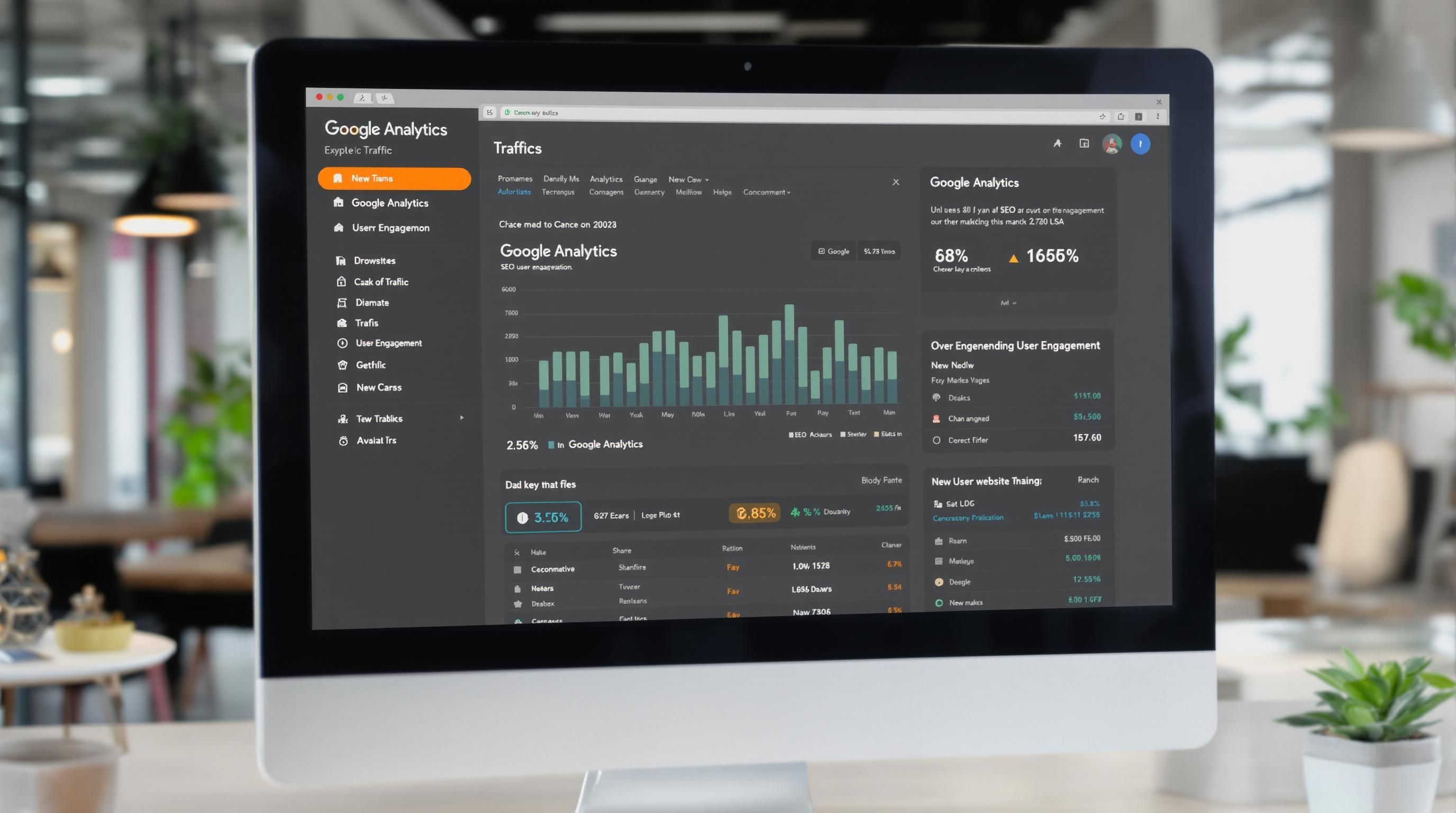
To see how your website is doing, set up Google Analytics and Google Search Console. They show traffic, visitor behavior, and search performance. Google Analytics shows where your visitors come from, and Google Search Console shows how your site appears in search results. Ask us how search engine optimization fits your business and your budget.
Understanding Key SEO Metrics
Watch these metrics:
Organic reach: This tells you how often your site shows up in search results.
Keyword rankings: Are your target keywords climbing the ladder?
Click-through rate (CTR): How many people are clicking on your site after seeing it in search results?
Conversions: Are visitors taking the actions you want, like signing up or buying something?
These metrics show what is working in your SEO analytics.
Changing Your Strategy Based on Data
Once you have enough data, review it. Are some pages underperforming? They may need better keywords or more engaging content. If a strategy is not working, tweak it. Stay flexible and keep refining based on the numbers.
“Your SEO data shows where to focus for better results.”
Review these metrics regularly to make smarter decisions and improve your overall SEO KPIs. Small adjustments add up over time.
Staying Updated with SEO Trends
The Importance of Keeping Up with Algorithm Changes
Search engines like Google change their algorithms often, from minor updates to big overhauls. Stay informed so your site keeps performing well. Ignoring updates could mean a drop in rankings, even if your content is great. Make it a habit to:
Monitor announcements from search engines.
Join SEO forums and communities to hear about changes early.
Test your site’s performance regularly to spot any unexpected shifts. Our local SEO plan includes a monthly review call to go over your results.
Search intent optimization—understanding what users really want when they type a query.
The rise of zero-click searches, where users get answers directly on the search results page.
Using AI-generated content, but ensuring it aligns with quality standards.
Experiment with these techniques to stay ahead of rivals. For zero-click searches, give clear answers in your content so your site can appear in the answer box.
Learning from Industry Experts
Learn from people who work in SEO. Follow thought leaders, attend webinars, and read case studies. They share practical tips and real examples, including local plans if you target a market like Nebraska.
Keep learning and adapting your approach to what works today.
Wrapping It Up
SEO for a new website is a series of small, steady steps. Create helpful content, use the right keywords, and make your site easy to navigate. Over time, your site can climb the search rankings and attract more visitors. SEO is an ongoing process, so keep learning and improving. If you get stuck, Websnoogie can help. Our SEO plan costs $190 a month.
Frequently Asked Questions
What is SEO and why is it important?
SEO, or Search Engine Optimization, is the process of making your website more visible on search engines like Google. It helps your site rank higher so more visitors find it.
How can I choose the right keywords for my website?
Start by thinking about what words people might use to find your website. Use tools like Google Keyword Planner or SEMrush to discover popular keywords. Pick ones that match your content and are not too competitive.
What are backlinks, and why do they matter for SEO?
Backlinks are links from other websites to yours. They are important because search engines see them as a vote of confidence. The more high-quality backlinks you have, the more trustworthy your site appears to search engines. We can take this work on for you as part of our local SEO plan.
How can I make my website more mobile-friendly?
To make your website mobile-friendly, use responsive design so it adjusts to different screen sizes. Test it on smartphones and tablets, ensure text is readable without zooming, and make buttons easy to tap.
What are some tools to track my SEO progress?
You can use tools like Google Analytics to monitor traffic and user behavior. Google Search Console is great for checking how your site appears in search results. Other tools like Ahrefs or Moz can help analyze keywords and backlinks.
How often should I update my website’s content for SEO?
While there’s no strict rule, updating your content regularly keeps it fresh and relevant. Aim to review and refresh key pages every few months. Adding new blog posts or articles consistently can also help improve your rankings.
Rod and Tami Atwood and other Websnoogie contributors write the Websnoogie blog. Rod has built websites since 2004 and founded Websnoogie, LLC in Omaha in 2012. Tami is co-owner, content editor and billing expert. Call us at 402-813-4034 or write to staff@websnoogie.com.
Our clients sometimes need extra help with website design , SEO (search engine optimization), site care or web hosting technical support. We built a program for that…
Clients call us all the time to work on their WordPress , Joomla, forum or HTML website. They call because we do the work at a low cost. They also need someone who can…
Websnoogie now offers a content delivery network (CDN) to our existing clients on cPanel hosting . We offer Cloudflare and Amazon CloudFront A CDN caches your images…
Rod, Tami, and their team have built websites, content, and provided SEO services (internet marketing) for over 20 years. You call us, you talk to us. Most new websites are ready in 3 to 5 days, and our hosting runs at 99.999% uptime.