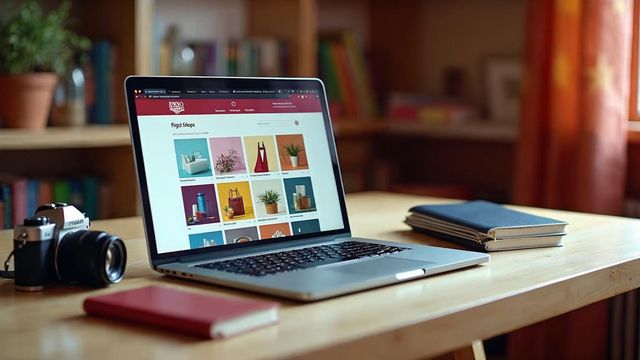

A web designer plans and builds the look of a website. A designer combines text, photos, graphics and video clips into pages that work on phones and computers. At Websnoogie we build a new website for $300 and finish it in 3 to 5 days.
Key takeaways
Web designers shape the look of a website: layouts, colors and media. They learn what the client needs and turn it into a design that fits the brand.
They build easy-to-use pages with clear menus. They use design software, HTML and CSS, and basic SEO. They work with developers so the design is built as planned.
Layouts, colors and fonts
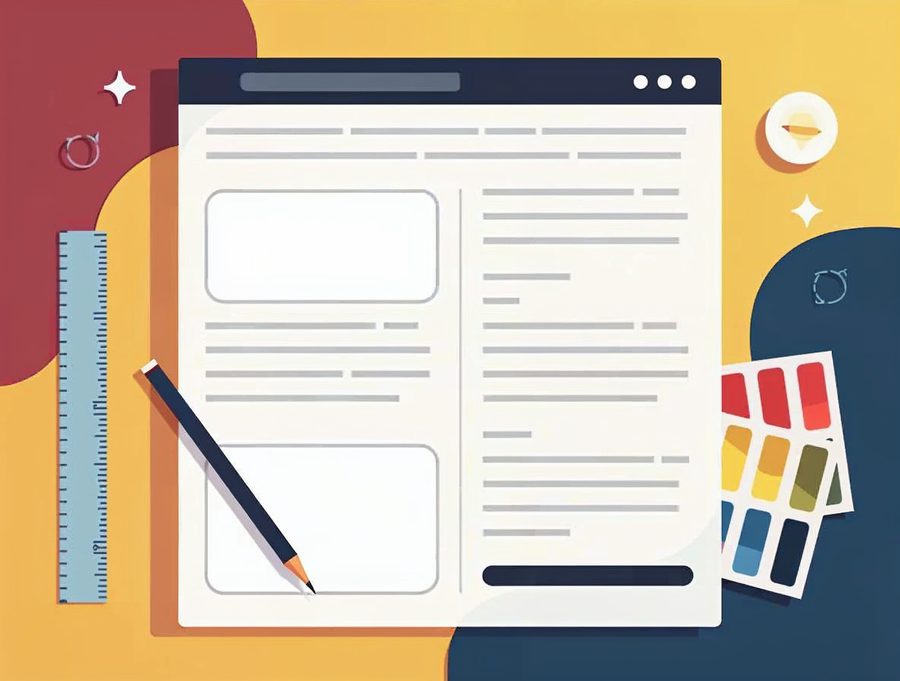
A designer plans the layout of every page: fonts, spacing and where each block sits. We arrange all the content you see on a website so it is easy to read. This uses the basics of visual design, such as grids, hierarchy (what the eye sees first) and white space.
We pick colors and fonts that match the client's brand and goals. We make mockups that show the look before we build. The goal is a clear, matching style that suits the people who will visit.
Photos, graphics, short animations and video make a site more interesting. We add them with care, so pages still load fast. Every design adjusts to phones, tablets and computers.
Understanding client needs
At the start of a project we meet the client. We ask about goals, audience and the pages they want. We also collect facts about their brand, products or services and the features they need.
Next we turn those needs into design ideas. We study industry trends, competitor sites and good practice. We also explain why we made each design choice.
The design has to match the client's brand. We make sure the images fit the brand and the style guidelines. Good relationships bring back clients and their referrals.
User-friendly design
A user-friendly site is easy and pleasant to use. We learn what visitors want and design pages around it. Clear menus and clear calls to action help visitors find what they need fast.
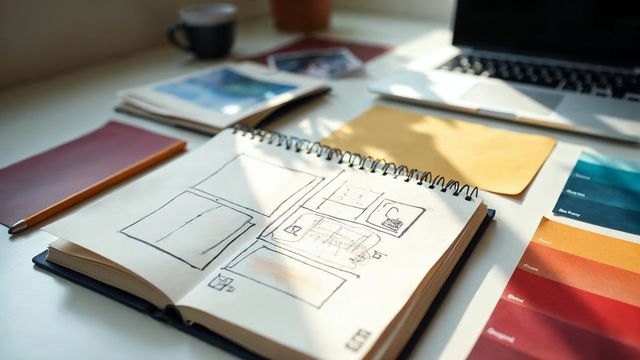
We also build for accessibility, such as keyboard navigation and enough color contrast. User experience (UX) design is at the center of our work. We study how visitors behave, and we draw wireframes (page sketches) and prototypes before we build.
A design should look good and work well. We aim for pages that are attractive and simple to use.
Tools a web designer uses
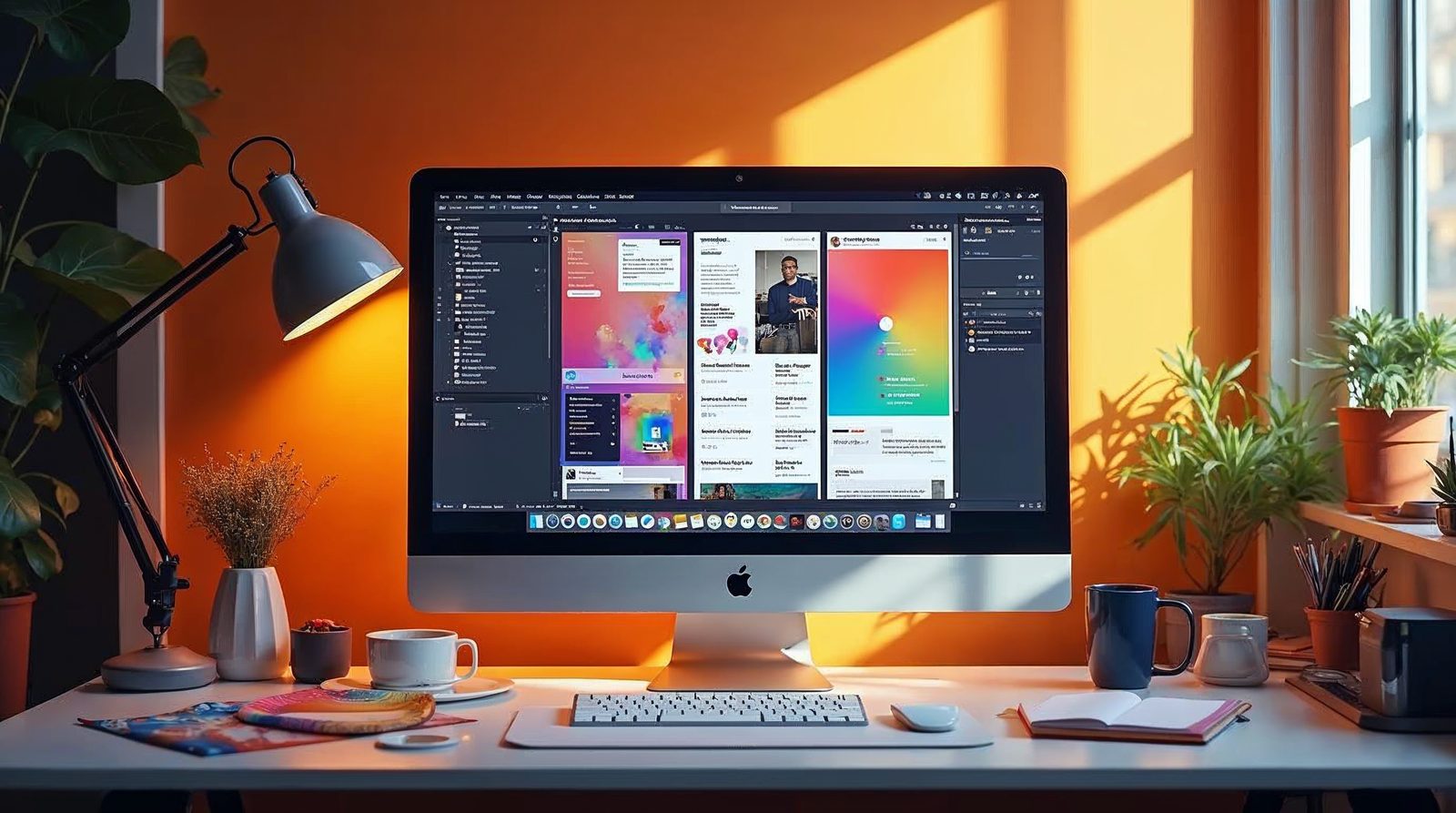
Designers often use programs such as Adobe Creative Suite, Sketch and Figma. They help make visuals, prototypes and wireframes.
Knowing HTML and CSS matters as much as design software. These languages put a design on the web so it looks and works as planned. Even a basic grasp helps.
Good design also helps people find the site. We build in SEO basics: we shrink images, use proper page titles and headings, and keep load times short.
Working with developers
Creating a website takes teamwork. We work with web developers so a design can be built as planned. We stay in touch while they build and fix design problems that show up.
We make sure each design idea can be built. We hand over design assets, specifications and style guides, so everyone works from the same plan. A site must work as well as it looks, so we test with real visitors and use their feedback.
Speed and every screen
Speed matters. A fast site is easier to use and can help your search rankings. We cut the number of requests the browser makes, shrink images and use browser caching.
People use phones, tablets and computers. We test our sites on different devices and browsers, and we use responsive design so a page fits any screen.
Our sites run well on our Omaha web hosting service or on hosting you already have.
Staying current
Trends change quickly, so we keep an eye on new ones. Spending about 30 minutes a day on new trends and good designs is a useful habit.
New tools appear all the time. Good designers try them. They also take online courses, workshops or bootcamps, and follow webinars, YouTube tutorials and design blogs.
Where web designers work
At an agency, a designer works on many projects for different clients. In house, a designer focuses on one brand. Both settings have their own challenges and rewards.
Freelancing lets you choose your projects and clients. It is also a good way to keep a job while you learn. You must be self-motivated, and you handle everything from client talks to project management.
A designer may seem to work alone, but the best designers work well with clients and the other professionals on a project.
Build a career in web design
Moving to web design from a related field such as graphic design can be smooth, because many skills carry over. You still have to learn technical skills, such as programming languages, user experience and usability testing.
Build a strong portfolio first. It shows your skills to employers and clients. Include a variety of projects that show your range. Update it once a quarter, while projects are fresh in your mind.
Join the Nebraska web design community. Go to local meetups, join online forums and talk with other professionals. You will learn about trends and may find job offers. The Omaha developer community is close, and relationships help.
Here is a quick checklist: take courses or a bootcamp, build a portfolio, network with other developers in Omaha, and keep up with new trends and tools.
If you want a site built by a Nebraska web design team, call us in Omaha at 402-813-4034.
Common questions
What do web designers do?
A web designer plans and builds the look of websites from text, photos, graphics and video clips. Designers work on new sites and on updates to existing pages.
How do web designers and web developers differ?
Designers focus on layout, type, colors and graphics. Developers focus on the technical side: building and maintaining the site.
How can you start a career in web design?
Take courses or a bootcamp, build a portfolio, network and keep learning.

AboutRod and Tami Atwood
Rod and Tami Atwood and other Websnoogie contributors write the Websnoogie blog. Rod has built websites since 2004 and founded Websnoogie, LLC in Omaha in 2012. Tami is co-owner, content editor and billing expert. Call us at 402-813-4034 or write to staff@websnoogie.com.